Shoulder pain can make everyday activities surprisingly difficult. Reaching overhead, putting on a jacket, sleeping on your side, working at a desk, lifting weights or carrying groceries can all become uncomfortable when the shoulder is not moving or functioning well.
At Reform Health + Wellness in Red Deer, our chiropractors assess more than just the painful area. Shoulder symptoms can involve the shoulder joint itself, the rotator cuff muscles and tendons, the shoulder blade, upper back, neck and surrounding soft tissues.
Depending on the cause of your shoulder pain, chiropractic care may include a combination of joint manipulation or mobilization, acupuncture or dry needling, soft tissue therapy, rehabilitation exercises and shockwave therapy.
What Causes Shoulder Pain?
The shoulder is one of the most mobile joints in the body. That mobility allows us to reach, lift, throw and perform a wide range of activities, but it also means the shoulder relies heavily on muscles, tendons and coordinated movement for stability.
Common causes of shoulder pain can include:
- Rotator cuff irritation or tendinopathy
- Shoulder impingement-type symptoms
- Muscle strains
- Biceps tendon irritation
- Calcific rotator cuff tendinopathy
- Reduced shoulder or upper-back mobility
- Repetitive work or overhead activity
- Sports and weightlifting injuries
- Poor shoulder blade mechanics
- Neck-related referred pain
- Frozen shoulder
- Previous shoulder injuries
Because several different conditions can produce similar symptoms, an assessment is important before deciding which treatment is appropriate.
Chiropractic Manipulation and Mobilization for Shoulder Pain
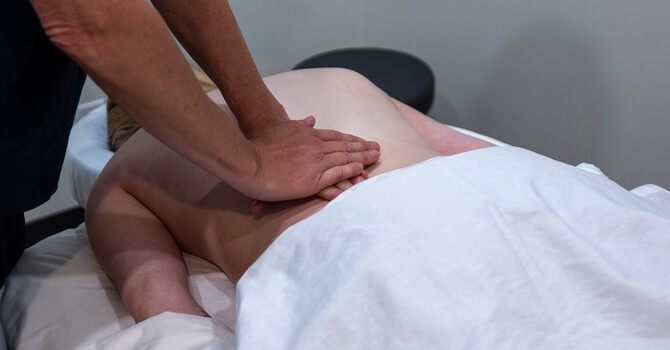
When people hear "chiropractic adjustment," they often think primarily about the spine. However, shoulder function is closely connected to the neck, upper back, ribs and shoulder blade.
Limited movement through the thoracic spine, for example, can make it more difficult to comfortably raise the arm overhead. Similarly, stiffness around the shoulder joint or shoulder girdle can change how the muscles around the shoulder have to work.
Chiropractic treatment may therefore involve manipulation or mobilization of areas such as the:
- Upper back
- Neck
- Ribs
- Shoulder joint
- Shoulder blade and surrounding joints
The goal is not simply to "crack" a joint. Treatment is used when appropriate to help restore movement and improve how different areas of the upper body work together.
For many patients, joint treatment is combined with soft tissue therapy and exercises rather than being used on its own.
Dry Needling and Acupuncture for Shoulder Pain
Muscles around the shoulder can become tight, sensitive or overworked when the shoulder has been irritated for a period of time.
Dry needling involves inserting very thin needles into specific muscles or areas of muscular tension. Depending on the individual, it may be incorporated into treatment to help decrease muscle tension, reduce pain and improve movement.
Common shoulder-area muscles that may be addressed include the:
- Upper trapezius
- Infraspinatus
- Supraspinatus
- Deltoid
- Pectoral muscles
- Latissimus dorsi
- Muscles surrounding the shoulder blade
Dry needling can be particularly useful when muscular tightness or trigger points are contributing to pain or restricting comfortable movement.
Acupuncture uses similar fine needles but may use different treatment principles and point selection. Depending on the chiropractor's training and the patient's condition, acupuncture or dry needling may be incorporated as part of a broader treatment plan.
Needling is not appropriate for every patient or every shoulder condition, which is why we determine whether it makes sense after completing an assessment.
Shockwave Therapy for Shoulder Pain
Another treatment available at Reform Health + Wellness is shockwave therapy.
Shockwave therapy uses controlled acoustic pressure waves applied to an injured or irritated area. It is most commonly considered for persistent tendon and soft tissue conditions that have not responded as expected to rest or more traditional treatment.
For the shoulder, shockwave therapy may be considered for conditions such as:
- Rotator cuff tendinopathy
- Persistent tendon-related shoulder pain
- Calcific rotator cuff tendinopathy
- Certain chronic soft tissue injuries
Calcific tendinopathy occurs when calcium deposits develop within one of the rotator cuff tendons. This can sometimes cause significant pain, particularly with lifting the arm or lying on the affected shoulder.
Shockwave therapy has been studied as a non-surgical treatment option for this condition and may be incorporated alongside mobility work and rehabilitation when appropriate.
What Does Shockwave Therapy Feel Like?
During treatment, a handheld applicator is placed over the affected area. Patients typically feel a rapid tapping or pulsing sensation.
The intensity can be adjusted depending on the area being treated and the patient's tolerance.
A shockwave appointment is generally relatively short, and unlike injections or surgery, there is no incision or significant recovery period associated with the treatment.
Why Combine Different Treatments?
Shoulder pain is rarely just about one tight muscle or one stiff joint.
For example, someone with rotator cuff irritation may also have:
- Reduced upper-back mobility
- Tight shoulder muscles
- Weakness of the rotator cuff
- Poor shoulder blade control
- Difficulty tolerating overhead activity
In a situation like this, performing only one type of treatment may not address everything contributing to the problem.
A chiropractic treatment plan might therefore include:
Manipulation or mobilization to improve joint movement.
Dry needling or acupuncture to address muscular tension and pain.
Shockwave therapy when persistent tendon irritation is present.
Soft tissue therapy to address restricted or sensitive muscles.
Rehabilitation exercises to improve strength, mobility and shoulder control.
The exact combination depends on what we find during your assessment.
Shoulder Rehabilitation Is an Important Part of Treatment
Hands-on treatment can help reduce symptoms and restore movement, but strengthening is often an important part of achieving lasting improvement.
Depending on your shoulder condition, exercises may focus on:
- Rotator cuff strength
- Shoulder blade stability
- Thoracic mobility
- Overhead control
- Range of motion
- Gradual return to lifting or sport
Our goal is not simply to make the shoulder feel better temporarily. We want to help you understand what may be contributing to your symptoms and gradually build the shoulder's capacity to handle the activities that matter to you.
When Should Shoulder Pain Be Assessed?
Consider having your shoulder assessed if you are experiencing:
- Pain when reaching overhead
- Pain while sleeping on your shoulder
- Difficulty reaching behind your back
- Pain during weight training or sports
- Persistent shoulder or upper-arm discomfort
- Weakness when lifting your arm
- Reduced shoulder movement
- Pain that has not improved with rest
- Recurrent shoulder problems
Sudden severe pain following significant trauma, visible deformity, major weakness, unexplained swelling, fever, chest pain or other concerning symptoms should be assessed promptly by an appropriate healthcare provider.
Chiropractic Shoulder Pain Treatment in Red Deer
If shoulder pain is keeping you from sleeping comfortably, exercising, working or doing the activities you enjoy, an assessment can help determine what is contributing to the problem.
At Reform Health + Wellness in Red Deer, Alberta, our chiropractors provide individualized shoulder pain treatment that may include chiropractic manipulation and mobilization, acupuncture or dry needling, soft tissue therapy, shockwave therapy and rehabilitation exercises.
Rather than applying the exact same treatment to every shoulder, we assess how your shoulder, neck, upper back and surrounding muscles are functioning and develop a treatment approach based on your specific presentation.
Looking for shoulder pain treatment in Red Deer?
Book an appointment with a chiropractor at Reform Health + Wellness to have your shoulder assessed and determine which treatment options may be appropriate for you.
Clinically Reviewed by Dr. Seth Means, DC