If you've ever booked a massage appointment, you've probably come across different treatment options, including deep tissue massage, therapeutic massage, and relaxation massage. While these treatments share many similarities, understanding their differences can help you choose the option that best suits your needs.
At Reform Health + Wellness in Red Deer, our Registered Massage Therapists (RMTs) provide personalized treatments designed around your goals, preferences, and comfort level. Whether you're managing persistent muscle tension, recovering from a demanding week at work, or simply looking for time to relax, there is no one-size-fits-all approach to massage therapy.
So, what's the difference between deep tissue and therapeutic massage, and how do you know which one to book?
What Is Therapeutic Massage?
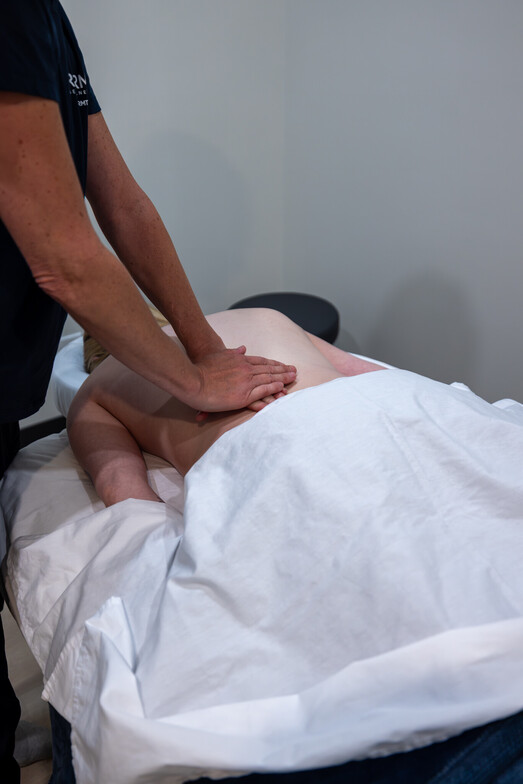
Therapeutic massage is a broad approach to massage therapy that focuses on addressing specific concerns, improving comfort, and supporting physical well-being.
Rather than following a predetermined routine, your massage therapist adjusts the treatment based on your symptoms, health history, and goals.
Therapeutic massage may incorporate several techniques, including:
-
Swedish massage techniques
-
Targeted soft tissue massage
-
Trigger point techniques
-
Gentle stretching and passive movement
-
Joint mobilization techniques within the massage therapist's scope of practice
-
Myofascial techniques
The amount of pressure used can vary significantly. Some people benefit from lighter, more comfortable treatment, while others prefer firmer pressure directed toward particular muscle groups.
Who Might Benefit From Therapeutic Massage?
Therapeutic massage may be appropriate for people experiencing:
-
Neck and shoulder tension
-
Generalized muscle tightness
-
Lower back discomfort
-
Work-related muscle soreness
-
Activity-related aches and pains
-
Stress-related muscle tension
-
Temporary movement restrictions associated with muscle discomfort
Therapeutic massage can also complement an active rehabilitation program when appropriately incorporated into a broader treatment plan.
The goal isn't necessarily to use the deepest possible pressure. It's to select the techniques that best suit your needs.
What Is Deep Tissue Massage?
Deep tissue massage generally involves slower, more focused massage techniques and firmer pressure applied to specific areas of muscle and surrounding soft tissue.
It is commonly requested by people who prefer stronger pressure or want targeted attention to areas that feel particularly tight or uncomfortable.
During a deep tissue massage, your therapist may spend additional time working on specific muscle groups rather than using broad, relaxation-oriented strokes.
For example, someone who spends long hours working at a computer may request additional attention to the muscles around the neck, shoulders, and upper back.
Similarly, an active individual might prefer focused massage around muscle groups experiencing temporary soreness or tension following physical activity.
Does Deep Tissue Massage Have to Hurt?
No. One of the most common misconceptions about deep tissue massage is that treatment must be painful to be effective.
More pressure does not automatically mean better results.
Although some techniques may produce mild discomfort, you should be able to communicate openly with your therapist about the amount of pressure being used.
Excessive pressure can cause unnecessary soreness, bruising, or irritation without providing additional benefit.
A good massage therapist adjusts treatment based on your comfort, sensitivity, and response throughout the appointment.
Deep Tissue vs. Therapeutic Massage: Key Differences
Although these treatments overlap considerably, the following comparison may help explain how they are commonly approached.
| Feature | Therapeutic Massage | Deep Tissue Massage |
|---|---|---|
| Primary focus | Individual symptoms, comfort, and treatment goals | More focused work using firmer pressure |
| Pressure | Light to firm, depending on your needs | Generally firm, but adjustable |
| Techniques | A range of massage and soft tissue techniques | Slower, focused massage techniques |
| Common reasons for booking | Muscle tension, soreness, discomfort, and general recovery | Preference for stronger pressure or targeted muscle work |
| Customization | Based on individual assessment and goals | Also customized to your comfort and goals |
Importantly, deep tissue massage is not necessarily a completely separate treatment from therapeutic massage. Deep tissue techniques can be incorporated into a therapeutic massage appointment when appropriate.
The distinction often comes down to the treatment style, amount of pressure, and your personal preferences.
Can Massage Therapy Help With Back and Neck Pain?
Back and neck discomfort are common reasons people seek massage therapy.
Research suggests massage may provide short-term improvements in pain and comfort for some people with musculoskeletal conditions, although the quality of evidence varies, and lasting benefits are less certain.
Massage therapy may help by:
-
Providing temporary relief from muscle-related discomfort
-
Reducing the sensation of tension or stiffness
-
Promoting relaxation
-
Improving short-term comfort during movement
-
Helping people feel more comfortable participating in exercise and rehabilitation
However, massage therapy does not necessarily correct the underlying cause of persistent back or neck pain.
For many musculoskeletal conditions, longer-term improvements may require a combination of appropriate physical activity, strengthening exercises, education, and other individualized treatment strategies.
At Reform Health + Wellness, our multidisciplinary approach allows massage therapy to complement chiropractic treatment and rehabilitation guidance when clinically appropriate.
Is Deep Tissue Massage Better for Muscle Knots?
Many patients describe localized areas of tenderness or tightness as "muscle knots."
Although this is a common and useful way to describe the sensation, these areas do not necessarily represent literal knots within muscle tissue.
Some people find that focused massage provides temporary relief from localized tenderness and tension.
However, applying increasingly aggressive pressure is not necessarily the best approach.
A skilled Registered Massage Therapist considers your symptoms, comfort, and response to treatment when deciding which techniques to use.
For some patients, moderate pressure may be more comfortable and just as useful as stronger techniques.
What About Relaxation Massage?
Not every massage appointment needs to focus on treating an injury or specific complaint.
Relaxation massage generally uses comfortable, flowing techniques intended to promote relaxation and reduce the sensation of physical stress.
It may be particularly appealing if you:
-
Feel overwhelmed by daily stress
-
Prefer lighter or moderate pressure
-
Want a calming treatment experience
-
Are experiencing generalized muscle tension
-
Simply want dedicated time to relax
Relaxation massage can be a worthwhile part of a self-care routine, even when you don't have an injury or specific painful area.
How Do You Know Which Massage to Book?
The best massage treatment depends on what you're hoping to achieve.
Choose Therapeutic Massage If:
You have a particular area of discomfort, want a flexible treatment approach, or aren't sure how much pressure will be appropriate.
Your therapist can incorporate different techniques based on your needs.
Choose Deep Tissue Massage If:
You generally prefer firmer pressure and want focused attention on particular muscle groups.
Remember that pressure should always remain within a tolerable and comfortable range.
Choose Relaxation-Focused Massage If:
Your main goal is to relax, unwind, and take a break from the physical and mental demands of daily life.
Still unsure? Don't worry. Your Registered Massage Therapist can discuss your goals and help determine the most appropriate approach during your appointment.
How Often Should You Get a Massage?
There is no universal schedule that works for everyone.
Some people book massage therapy periodically for relaxation, while others attend more frequently for a limited period when dealing with a particular concern.
Your ideal appointment frequency may depend on:
-
Your symptoms and treatment goals
-
How you respond to massage
-
Your activity level and physical demands
-
Your preferences and budget
-
Your extended health benefits coverage
Your therapist can help you make an informed decision without committing you to an unnecessary treatment schedule.
Massage Therapy at Reform Health + Wellness in Red Deer
At Reform Health + Wellness, we believe massage therapy should be personalized, comfortable, and focused on what matters most to you.
Our Registered Massage Therapists offer therapeutic, deep tissue, and relaxation-focused techniques in private treatment rooms at our multidisciplinary clinic in Red Deer.
Whether you're looking for help managing muscle tension, recovering from everyday physical demands, or enjoying some time to unwind, our team is here to help you find a treatment approach that works for you.
Massage Therapy Appointment Options
We currently offer:
-
60-minute massage therapy appointments
-
90-minute massage therapy appointments
-
Therapeutic massage
-
Deep tissue massage
-
Prenatal massage
We also offer direct billing to most major extended health insurance providers, where supported by your plan.
Book Your Massage Therapy Appointment in Red Deer
Ready to book a massage?
Visit Reform Health + Wellness at East Hill Shopping Centre, 3020 22 Street, Unit 430, Red Deer, Alberta.
Our team is happy to welcome new patients.
Learn More About Massage Therapy at Reform Health + Wellness
View Our Massage Therapy Fees and Insurance Information
Move Better. Live Better.
Medical Disclaimer: This article is intended for general education and does not replace individualized healthcare advice. Massage therapy may not be appropriate for every condition. If you are experiencing unexplained or worsening symptoms, significant injury, or new neurological symptoms, seek assessment from an appropriate healthcare professional.