If your feet are sore after a long day at work, your heels hurt when you get out of bed, or foot discomfort is making it harder to enjoy your favourite activities, you may have wondered whether custom orthotics could help.
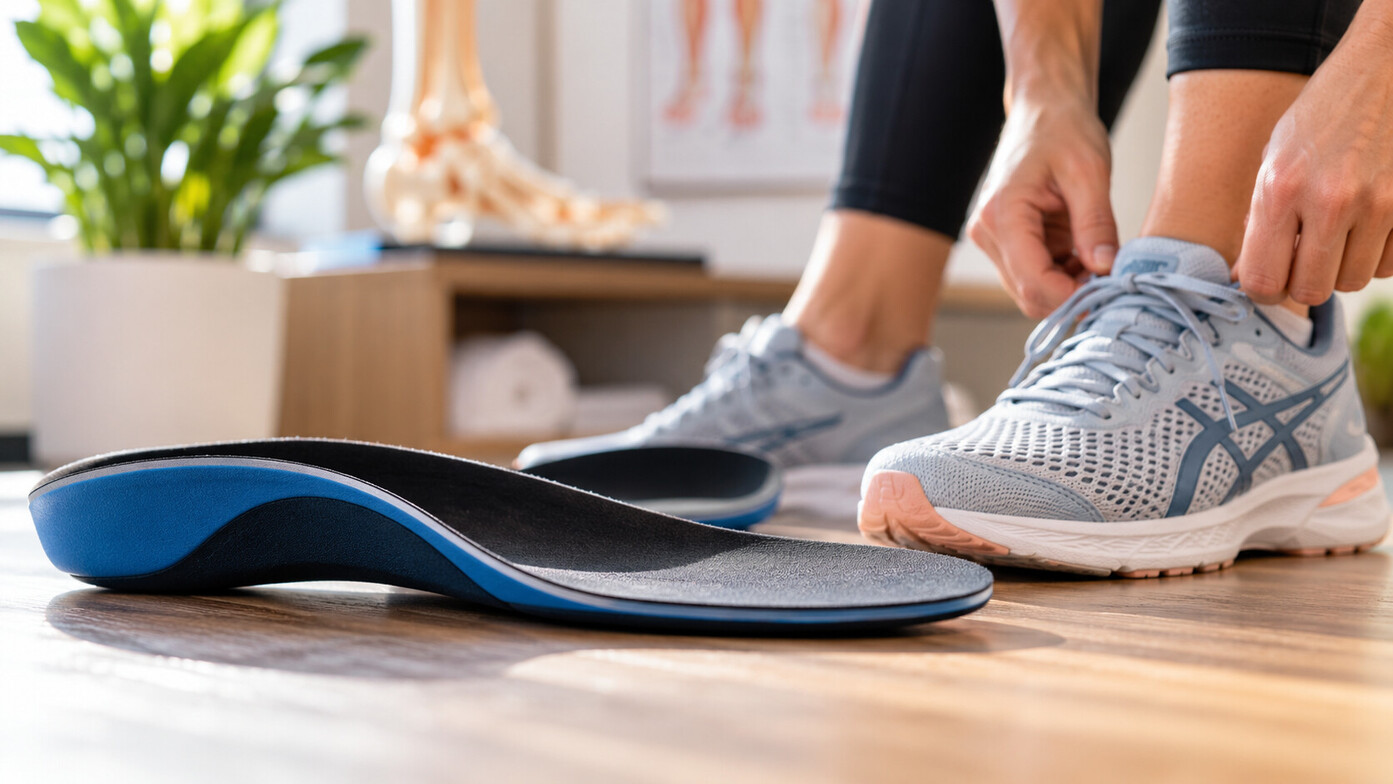
Custom foot orthotics are specially designed shoe inserts that can provide support, cushioning, and pressure redistribution. For some people, they can be a useful part of managing foot pain and improving everyday comfort.
But here's something important: not everyone with foot pain needs custom orthotics.
At Reform Health + Wellness in Red Deer, Alberta, we believe the first step is understanding what's contributing to your discomfort. Sometimes orthotics are appropriate. Other times, footwear changes, strengthening exercises, or different treatments may be more beneficial.
So how do you know whether custom orthotics are worth considering?
Let's look at seven signs that an orthotics assessment may be helpful.
7 Signs You May Benefit From Custom Orthotics
1. You Experience Heel Pain, Especially First Thing in the Morning
Do your first few steps out of bed feel particularly painful?
Heel pain that's worse when you first get up, or after sitting for an extended period, is a common symptom of plantar fasciitis (also called plantar fasciopathy).
This condition involves irritation or overload of the plantar fascia, a strong band of connective tissue running along the bottom of your foot.
Custom orthotics may help redistribute pressure and reduce stress on sensitive areas of the foot.
However, orthotics are rarely the entire solution. Research supports combining them, when appropriate, with treatments such as stretching, strengthening, footwear modification, and activity management.
If you're experiencing persistent heel pain, learn more about our approach to foot pain and plantar fasciitis treatment in Red Deer.
2. Your Feet or Arches Hurt After Walking or Standing
A busy day on your feet shouldn't always end in significant discomfort.
Whether you're a nurse working a long shift, a teacher standing in a classroom, or someone who spends the day walking on concrete floors, repeated loading can contribute to foot fatigue and pain.
Some people notice aching through the arches, heels, or balls of their feet, particularly toward the end of the day.
Orthotics may help by providing cushioning or changing how pressure is distributed underneath the foot.
That said, your footwear, work demands, strength, and activity levels also matter. An assessment can help determine whether a shoe insert is likely to make a meaningful difference.
3. You Have Flat Feet or High Arches That Cause Discomfort
Feet come in many different shapes, and there isn't one ideal arch height for everyone.
Some people naturally have lower arches, while others have very high arches. Both can be completely normal and pain-free.
Having flat feet or high arches does not automatically mean you need orthotics.
However, when your foot structure is accompanied by persistent discomfort, pressure sensitivity, or difficulties tolerating certain footwear, an assessment may be worthwhile.
For example, someone with high arches may experience increased pressure under particular areas of the heel or forefoot. Certain custom orthotic designs can help redistribute that pressure.
The important factor isn't simply what your feet look like. It's how your feet function, whether you're experiencing symptoms, and how those symptoms affect your activities.
4. You Experience Recurring Foot Pain During Running or Sports
Running, hiking, golfing, and recreational sports place different demands on your feet.
If you repeatedly experience foot discomfort during or after physical activity, it may be worth looking at your footwear, training habits, strength, mobility, and foot-loading patterns.
Some athletes may benefit from orthotics designed for their activity and footwear.
For others, the solution may involve adjusting training volume, changing shoes, improving calf or foot strength, or addressing an underlying injury.
At Reform, we consider orthotics one possible tool within a broader sports injury treatment and rehabilitation approach.
Our goal is to help you remain active, not simply add another piece of equipment to your shoes.
5. You Have Recurring Pressure Points or Discomfort in Certain Shoes
Have you noticed that particular areas of your feet become sore, irritated, or develop recurring calluses?
Sometimes, pressure is concentrated over specific areas of the foot because of its shape, the way it is being loaded, or the fit of your footwear.
Certain orthotic designs can provide additional cushioning or redistribute pressure away from sensitive areas.
However, a custom insert cannot compensate for shoes that are too narrow, too short, or otherwise unsuitable.
A proper assessment considers both the foot and the shoe.
Persistent calluses, skin breakdown, or pressure concerns—particularly in people with diabetes, reduced sensation, or circulation problems—require appropriate clinical assessment and may warrant specialized foot care.
6. Over-the-Counter Insoles Haven't Provided Enough Relief
Drugstores, sporting goods retailers, and shoe stores offer a wide selection of insoles.
Many provide helpful cushioning or arch support, and for some people, they're all that's needed.
But what happens when you've tried different insoles and your discomfort continues?
It may be time to look more closely at the source of your symptoms.
Custom orthotics are manufactured using measurements of your feet and an individualized prescription. Their design can be adapted to particular pressure areas, footwear, activities, and clinical needs.
This doesn't mean custom devices are always better.
In fact, research involving plantar heel pain has found that appropriately selected prefabricated orthoses can provide outcomes comparable to custom-made devices for many patients.
The advantage of a custom option is the ability to individualize the design when there's a clinical reason to do so.
7. Foot or Lower-Limb Discomfort Keeps Returning
Your feet work together with your ankles, knees, and hips during activities such as walking, climbing stairs, and running.
Changes in foot loading can influence forces elsewhere in the lower extremity. In selected cases, an orthotic may be considered as part of managing lower-limb symptoms.
However, knee, hip, and back pain have many possible causes, and orthotics are not a universal treatment for these conditions.
If symptoms repeatedly return despite rest or temporary treatment, a more comprehensive assessment may help identify contributing factors.
At Reform Health + Wellness, our chiropractic team assesses movement, joint function, strength, and other relevant factors to help determine an appropriate management plan.
What Are the Benefits of Custom Orthotics?
When properly prescribed for an appropriate clinical indication, custom orthotics may offer several benefits.
These include:
-
Pressure redistribution: Changing where forces are concentrated underneath the foot.
-
Targeted cushioning: Providing additional protection for areas experiencing excessive pressure.
-
Individualized support: Matching the design to your foot shape, symptoms, and functional needs.
-
Footwear-specific design: Accommodating different demands associated with athletic shoes, work boots, or everyday footwear.
-
Improved comfort: Helping some individuals tolerate walking, standing, or activity more comfortably.
It's important to have realistic expectations. Orthotics don't permanently reshape your feet, automatically correct your posture, or guarantee relief from every type of lower-limb pain.
They primarily influence foot loading while you're wearing them.
Custom Orthotics vs. Store-Bought Insoles: What's the Difference?
Both custom orthotics and prefabricated insoles can provide cushioning, support, and symptom relief.
The main difference is how they are selected and manufactured.
Store-bought insoles are produced in standardized sizes and shapes. They're generally less expensive and may be a reasonable first option for uncomplicated foot discomfort.
Custom orthotics, on the other hand, are manufactured from measurements of your feet and an individualized clinical prescription.
This allows the design, support, cushioning, and pressure-relieving features to be selected for your particular needs.
The best orthotic is not necessarily the most expensive one. It's the one that's appropriate for your condition, footwear, and goals.
An experienced clinician should be willing to explain when a custom device is worthwhile—and when a simpler option may be sufficient.
What to Expect During a Custom Orthotics Assessment at Reform
At Reform Health + Wellness, custom orthotics are not simply selected based on a foot scan.
We begin with a clinical assessment to better understand your symptoms and determine whether orthotics are appropriate.
Your appointment may include a discussion of your medical history, daily activities, footwear, foot and ankle mobility, strength, and walking mechanics.
If custom orthotics are recommended, we use Noolab digital 3D foot-scanning technology to capture a detailed representation of your feet.
Your practitioner then develops an individualized prescription based on your clinical findings, footwear, and treatment goals.
The scan and prescription are submitted to Noolab, a Canadian custom orthotics laboratory, for manufacturing.
Once your orthotics arrive, we assess the fit, provide instructions for gradually introducing them into your shoes, and discuss whether adjustments are needed.
You can read more about the process on our Custom Orthotics in Red Deer service page.
Are Custom Orthotics Covered by Insurance in Alberta?
Many extended health insurance plans include some coverage for custom-made foot orthotics, but benefits and documentation requirements vary significantly.
Before purchasing orthotics, we recommend contacting your insurance provider to confirm:
-
Whether your plan covers custom-made foot orthotics
-
Your available coverage amount and replacement frequency
-
Whether a physician's prescription or other documentation is required
-
Which healthcare professionals are authorized to assess, prescribe, or dispense orthotics under your plan
-
Whether pre-authorization is necessary
At Reform Health + Wellness, we can provide documentation associated with your orthotic purchase for submission to your insurance company.
Please note that we cannot direct bill custom orthotics. Reimbursement depends on your individual plan and insurer requirements.
When Might You Not Need Custom Orthotics?
Sometimes the best treatment doesn't involve orthotics at all.
If your symptoms are related primarily to poorly fitting shoes, a recent increase in activity, reduced strength, or another treatable issue, different approaches may be more appropriate.
Depending on your assessment, recommendations might include supportive footwear, progressive strengthening, mobility exercises, temporary activity modifications, or other treatment.
New or severe foot pain following an injury, an inability to bear weight, or foot pain accompanied by marked redness, heat, swelling, or fever warrants prompt medical assessment rather than simply trying orthotics.
Similarly, unexplained numbness, open wounds, or new skin changes—especially with diabetes or circulation problems—should be medically assessed.
The goal should always be to understand the problem before deciding on the treatment.
Custom Orthotics in Red Deer: Find Out What's Right for You
If you've been dealing with recurring heel pain, aching arches, discomfort at work, or foot pain that limits your activities, an orthotics assessment may help clarify your options.
At Reform Health + Wellness in Red Deer, our chiropractors take an individualized, evidence-informed approach to foot and lower-limb care.
We assess your symptoms, movement, footwear, and functional needs before recommending custom orthotics.
When appropriate, we use Noolab custom orthotics and digital 3D foot scanning to create a device designed around your needs.
And when orthotics aren't the right solution, we'll discuss other options.
Ready to find out whether custom orthotics could help?
Book an Orthotics Assessment at Reform Health + Wellness or contact our Red Deer clinic at (825) 221-3453.
Visit us at 3020 22 Street, Unit 430, in East Hill Shopping Centre, Red Deer, Alberta.
Move Better. Feel Better. Live Better.
Frequently Asked Questions About Custom Orthotics
Can custom orthotics help with plantar fasciitis?
Orthotics may help some people manage plantar heel pain, particularly when combined with appropriate exercise, stretching, and other treatments. They're not considered a stand-alone solution, and custom-made orthotics are not consistently more effective than prefabricated options.
Do I need custom orthotics if I have flat feet?
Not necessarily. Many people with flat feet experience no pain or limitations. Orthotics may be considered when foot structure is associated with symptoms and the clinical assessment suggests a benefit.
How long does it take to get used to custom orthotics?
Some people adjust quickly, while others need a gradual break-in period over days or weeks. Increasing wear time progressively can help. Persistent pain, significant pressure, or skin irritation should be discussed with your practitioner.
Can I wear custom orthotics in my running shoes or work boots?
Often, yes. Orthotics can be manufactured for different types of footwear, although not every design fits every shoe. It's helpful to bring the footwear you use most often to your assessment.
Are custom orthotics worth the cost?
That depends on your symptoms and clinical needs. For some people, individualized design offers useful options that prefabricated insoles cannot provide. For others, an appropriately selected store-bought insole may be sufficient. An assessment can help you make an informed decision.
Clinical References
-
2023 Clinical Practice Guideline: Heel Pain—Plantar Fasciitis, Journal of Orthopaedic & Sports Physical Therapy.
-
Custom-Made Foot Orthoses for the Treatment of Foot Pain, Cochrane Review.
-
Custom-Made vs. Prefabricated Foot Orthoses: Clinical Effectiveness, Canadian Agency for Drugs and Technologies in Health.
-
Efficacy and Safety of Foot Orthoses for Plantar Fasciitis, Disability and Rehabilitation, published online 2025.