At Reform Health + Wellness, we’re committed to offering evidence-informed treatments that help our patients move better and feel stronger for the long term. One technique many people ask about is dry needling. While it’s gained popularity in recent years, there’s often confusion about what it actually is and how it can help.
In this post, we’ll explain dry needling in clear terms, describe how it works, outline who tends to benefit most, and share what you can expect if it’s part of your care plan with our team.
What Is Dry Needling?
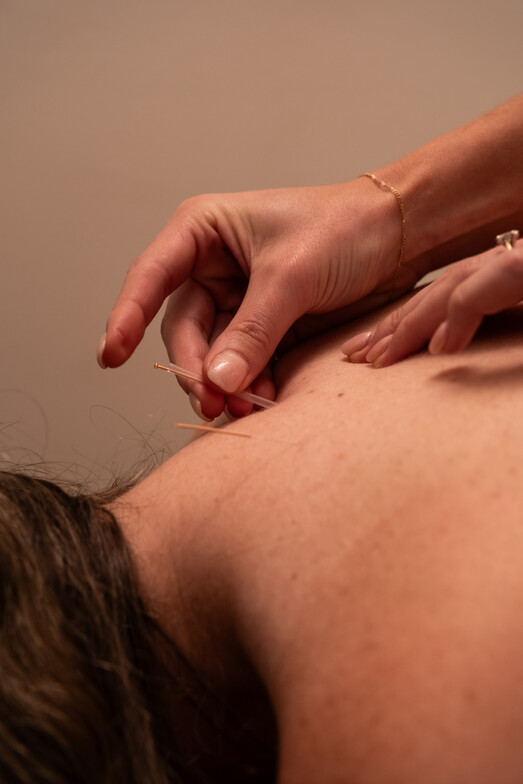
Dry needling is a skilled treatment performed by trained healthcare professionals (such as chiropractors and physiotherapists) that uses thin, sterile filiform needles to target myofascial trigger points — commonly known as “knots” — in muscles and surrounding connective tissue.
Unlike acupuncture, which is rooted in traditional Chinese medicine and focuses on energy meridians, dry needling is based on modern Western medicine and anatomy. It specifically addresses neuromuscular and musculoskeletal dysfunction by releasing tight bands of muscle, improving local blood flow, and reducing pain signals.
Dry needling can be performed superficially (just under the skin) or more deeply into the muscle, depending on the assessment and your specific needs.
How Does Dry Needling Work?
When a muscle develops a trigger point, it can enter an “energy crisis.” The muscle fibers stay contracted, blood flow decreases, and inflammatory chemicals build up. This creates pain, tightness, and restricted movement — often with pain that refers to other areas of the body.
Inserting a thin needle into the trigger point can:
- Elicit a local twitch response — a quick, involuntary contraction of the muscle that helps release the tight band.
- Increase local blood circulation and bring fresh oxygen and nutrients to the area.
- Stimulate sensory nerves, which can activate the body’s natural pain-relieving systems (including descending inhibition from the brain and spinal cord).
- Reduce muscle tension and improve the muscle’s ability to lengthen and contract normally.
Many patients notice an immediate sense of relief or “loosening” in the treated area, though results vary and are often most effective when combined with other therapies.
What to Expect During a Dry Needling Session at Reform
Your practitioner will first perform a thorough assessment to determine whether dry needling is appropriate for you and to identify the most relevant trigger points.
During the session:
- You’ll be positioned comfortably (usually lying down).
- The area is cleaned, and very thin sterile needles are gently inserted.
- You may feel a brief pinch or pressure, followed by a twitch or ache as the muscle responds.
- Needles may stay in place for a short time or be moved slightly (a technique called pistoning).
- Sessions typically last 15–30 minutes, depending on the number of areas treated.
After treatment, it’s common to feel some soreness (similar to post-workout muscle fatigue) for 24–48 hours. Most people can return to normal activities right away, though we may recommend specific stretches or modifications.
Who Benefits Most from Dry Needling?
Dry needling is particularly helpful for people dealing with myofascial pain — pain that originates from tight, irritated muscle tissue and trigger points. Research, including systematic reviews, shows it can provide short-term pain relief and improved function for various musculoskeletal conditions.
Common conditions where dry needling is often used include:
- Neck and shoulder pain (including tension and postural strain)
- Low back pain and gluteal/hip tightness
- Headaches (especially tension-type and cervicogenic)
- Sports injuries and overuse conditions (e.g., runner’s knee, tennis elbow, shoulder impingement)
- Plantar fasciitis and foot/ankle pain
- Jaw pain (TMJ dysfunction)
- Chronic muscle tightness that hasn’t fully responded to stretching or manual therapy alone
It tends to work especially well for active individuals, athletes, and anyone whose pain has a significant muscular component. At Reform, we often combine dry needling with chiropractic care, physiotherapy exercises, manual therapy, and movement retraining for more comprehensive and lasting results.
Dry needling is not suitable for everyone. We carefully screen for contraindications and precautions, such as certain bleeding disorders, active infections, severe needle phobia, or specific medical conditions. Your safety and comfort always come first.
Is Dry Needling Safe?
When performed by properly trained and licensed professionals, dry needling has a strong safety profile. Most side effects are mild and temporary, including:
- Soreness or bruising at the needle site
- Temporary fatigue or a slight increase in symptoms for a day or two
- Mild dizziness (rare)
Serious complications are very uncommon when proper screening, sterile technique, and anatomical knowledge are used. At Reform Health + Wellness, our practitioners have advanced training in dry needling and follow strict safety protocols, including informed consent and clear communication throughout your treatment.
How Dry Needling Fits Into Your Care at Reform
We view dry needling as one valuable tool within a broader, personalized treatment plan — never a standalone “quick fix.” Our goal is to help you understand why the pain or tightness developed and to give you strategies to prevent it from returning.
Many patients benefit from a combination of:
- Dry needling to release stubborn trigger points
- Chiropractic adjustments or mobilization to improve joint mobility
- Physiotherapy exercises and DNS-based movement training for stability and control
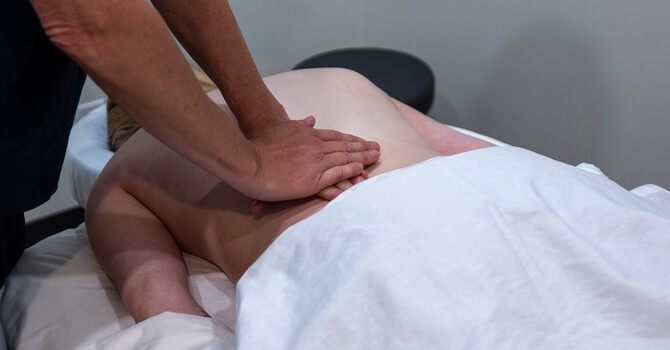
- Massage therapy for circulation and tissue health
- Education on posture, ergonomics, and load management
This integrated approach is at the heart of what we do at Reform.
Ready to Find Out If Dry Needling Is Right for You?
If you’re struggling with persistent muscle pain, tightness, or movement limitations, dry needling may be a helpful part of your recovery. The best way to know is through a personalized assessment with our team.
We’re excited to bring this service (along with our full range of chiropractic, physiotherapy, and massage care) to Red Deer at the East Hill Shopping Centre.
Book an appointment today or reach out with any questions. We’re here to help you move with confidence and feel your best.